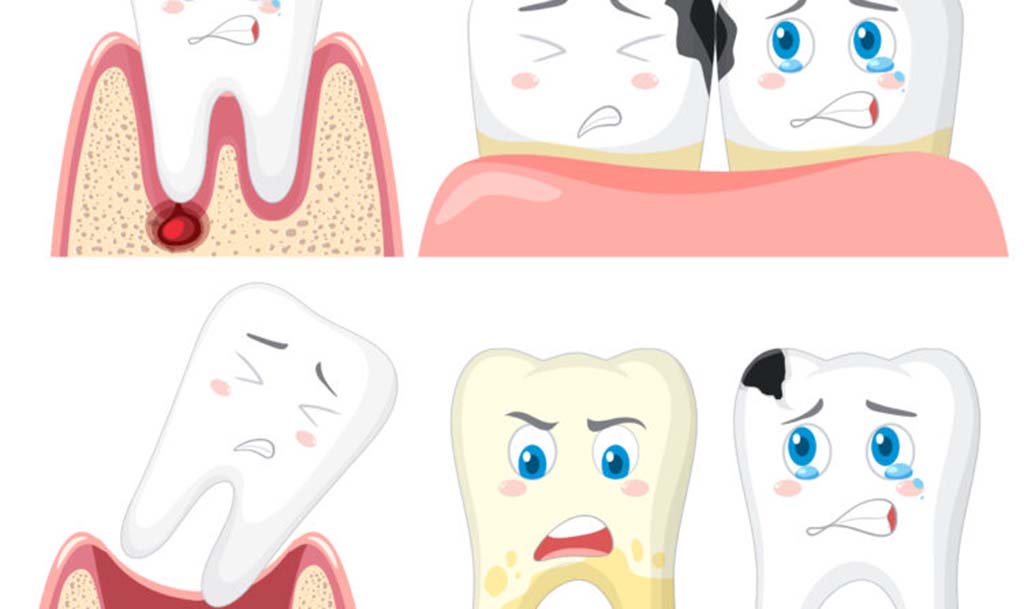
I had always assumed that brushing my teeth was merely a daily routine—nothing more—until one day, I noticed that my gums would bleed slightly while brushing, and my teeth would sting whenever I consumed hot or cold foods. At first, I dismissed it as a fluke; however, as the occurrences became increasingly frequent, I began to pay serious attention to my dental health. After a period of observation and experimentation, I have compiled a few insights on how to alleviate tooth sensitivity and care for gums—experiences I hope will prove helpful to others facing similar issues.
The Troubles of Bleeding Gums and Tooth Sensitivity
Bleeding gums and tooth sensitivity can cause significant disruption to daily life. Every time I brushed my teeth, a faint stinging sensation in my gums made me hesitant to apply any pressure, for fear of aggravating the bleeding. Furthermore, eating hot or cold foods would trigger a sharp, needle-like ache in my teeth, turning the simple pleasure of enjoying a meal into a cautious, tentative affair. Initially, I assumed the problem stemmed from inadequate cleaning; consequently, I attempted to brush harder and even experimented with various types of toothbrushes. The results, however, were entirely counterproductive: my gums became even more prone to redness, swelling, and bleeding, while my tooth sensitivity became even more pronounced.
Gradually, I came to realize that the root of the problem was not a lack of brushing, but rather an incorrect brushing technique and the use of unsuitable products. Using a toothbrush with bristles that were too hard, applying excessive pressure, or failing to use a toothpaste specifically formulated for sensitive teeth and gum care can all injure the gums. This injury can lead to the exposure of the underlying dental nerves, thereby exacerbating the problem of sensitivity. This realization prompted me to seriously research effective methods for managing tooth sensitivity and caring for gums. I came to understand that selecting the right toothpaste and toothbrush—along with adjusting my brushing habits—was far more important than blindly resorting to “vigorous scrubbing.”
Choosing Toothpaste for Sensitive Teeth and Gum Care Products
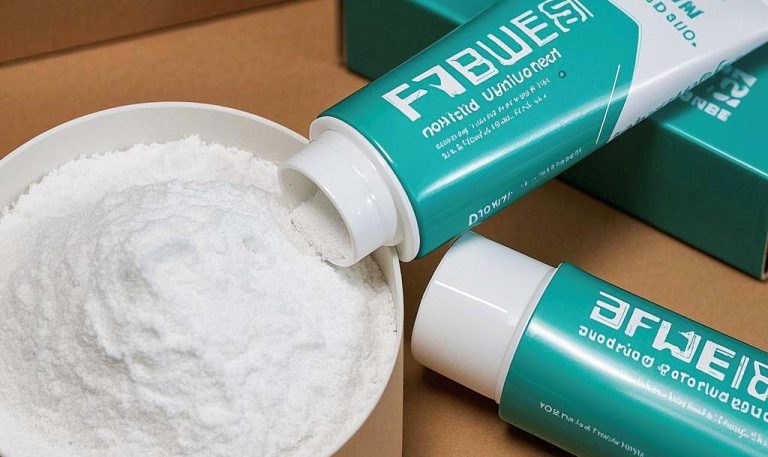
Acting on the advice of my dentist, I began using a toothpaste specifically designed for sensitive teeth. These types of toothpastes typically contain ingredients such as potassium nitrate or fluoride; they not only help alleviate dentin sensitivity but also work to strengthen and protect tooth enamel, thereby reducing the stinging sensation triggered by hot and cold foods. I made it a point to use this sensitive-formula toothpaste every morning and evening. I paired it with a soft-bristled toothbrush, using gentle, circular motions along the gumline and the surface of my teeth to avoid abrasive side-to-side scrubbing. Within just a few days, I noticed a distinct reduction in the stinging sensation I felt while brushing, and the surface of my teeth felt noticeably smoother than before.
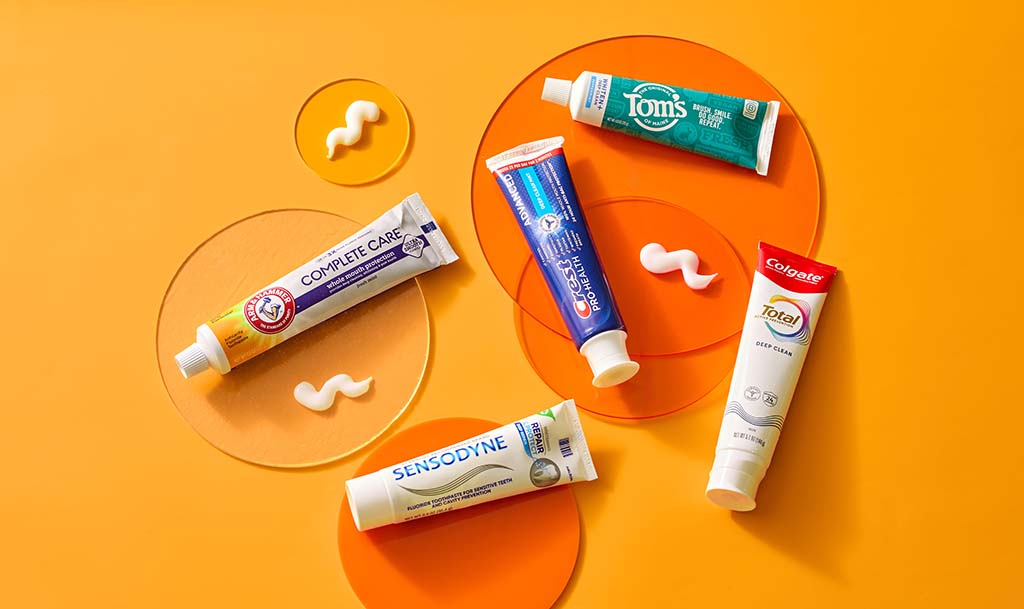
In addition to toothpaste, I also experimented with specialized gum care products, such as mouthwashes containing anti-inflammatory ingredients or gum gels. Every evening after brushing my teeth, I would rinse my entire mouth with mouthwash, then gently apply gum gel to the specific areas where my gums were prone to bleeding. These small habits helped alleviate the redness and sensitivity in my gums, allowing them to gradually become more resilient and healthy. After sticking with this routine for a few weeks, I was pleasantly surprised to find that my gum bleeding had improved significantly; brushing and eating became effortless, and I no longer had to be constantly on guard, worrying about injuring my gums.
Adjusting Brushing Habits to Protect the Gums
Beyond selecting the right toothpaste and gum care products, I also began to seriously re-evaluate and adjust my brushing technique. I now use a soft-bristled toothbrush, brushing gently along the teeth and gum line using circular motions, while avoiding vigorous horizontal scrubbing. This method not only effectively removes plaque but also minimizes the risk of gum injury. I limit my brushing time to around two minutes—just enough to ensure a thorough cleaning without subjecting my gums to excessive pressure.
Furthermore, I have developed the habit of flossing between my teeth after brushing to gently remove any lingering food particles and plaque. In the past, because I neglected to clean the spaces between my teeth, my gums would frequently bleed due to irritation from trapped food debris; now, however, this rarely happens. With consistent effort over time, my gums have gradually become healthy and resilient; brushing is no longer a tense, cautious ordeal, but rather a relaxed and effective part of my daily self-care routine.
Embracing a Healthy Lifestyle for Stronger Teeth
Beyond daily brushing and the use of gum care products, I have come to realize that diet and lifestyle habits play an equally crucial role in both tooth sensitivity and gum health. Reducing my intake of sugary and highly acidic foods helps protect my tooth enamel and lowers the risk of tooth decay and gum irritation. At the same time, I have increased my consumption of fruits and vegetables rich in Vitamin C, which not only aids in gum healing but also boosts the gums’ natural resistance.
Regular sleep schedules and adequate rest are also factors that cannot be overlooked. Chronic late nights or excessive stress can easily compromise the immune system, making the gums more susceptible to inflammation and bleeding. By adhering to a healthy diet and maintaining a consistent sleep schedule, I noticed that my gums gradually became more resilient, and my tooth sensitivity significantly diminished; consequently, both brushing and eating became much easier and more comfortable. Over time, I came to realize that the stability and health of one’s teeth are not merely the result of external care, but rather the cumulative outcome of one’s daily lifestyle choices.
Safeguarding Your Teeth: From Sensitivity to Health
Through the application of these methods, my issues with gum bleeding and tooth sensitivity have shown marked improvement. While tooth sensitivity can be a troublesome affliction, with the right approach and consistent daily care, both gums and teeth can indeed be restored to a state of good health.







+ There are no comments
Add yours