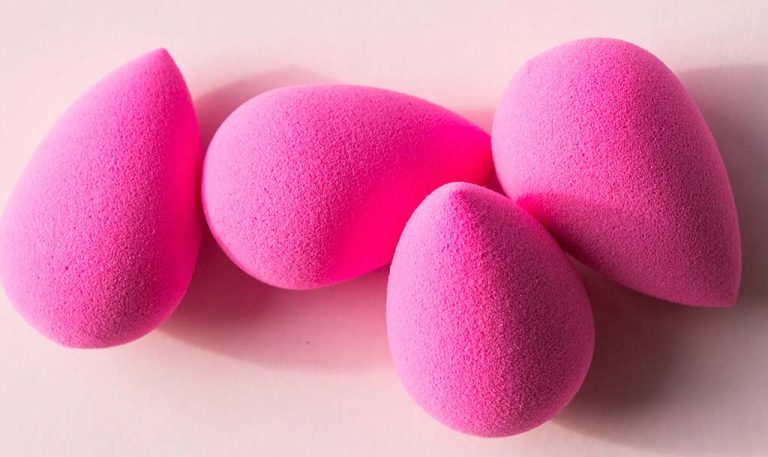
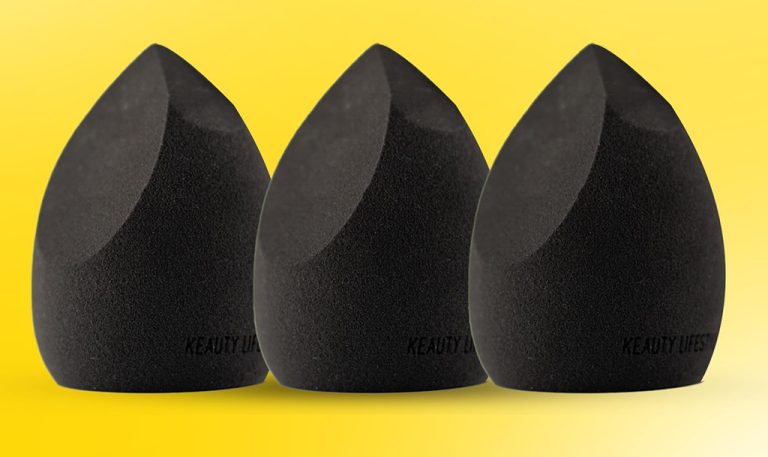
I use makeup sponges or beauty blenders every day to apply my makeup. With prolonged use—and without timely cleaning—residual foundation, brow powder, and natural oils not only compromise the finish of my makeup but also create a breeding ground for bacteria. After much trial and error, I’ve discovered a few sponge cleaning brushes and beauty blender cleansers that keep my makeup tools clean, soft, and durable.
1.Why Cleaning Makeup Sponges Is So Important
In the past, I often neglected the step of cleaning my makeup tools. Consequently, I found that my sponges would quickly become discolored, stiff, and even develop unpleasant odors. More seriously, using uncleaned beauty blenders or sponges in direct contact with my face over time caused residual foundation, brow powder, and sebum to accumulate in my pores—leading to breakouts, blackheads, and even skin sensitivity or allergic reactions.
Makeup sponges are key to achieving a flawless, seamless finish. If they aren’t thoroughly cleaned before use, the resulting makeup application will be uneven; worse yet, you risk reapplying a mixture of old foundation, skincare residue, and grime back onto your face, thereby compromising the overall aesthetic. Regularly washing your sponges or beauty blenders not only extends the lifespan of your tools but also ensures a more natural, seamless, and long-lasting makeup look, while simultaneously minimizing bacterial harm to the skin and keeping it healthy.
2.My Experience with Sponge Cleaning Brushes
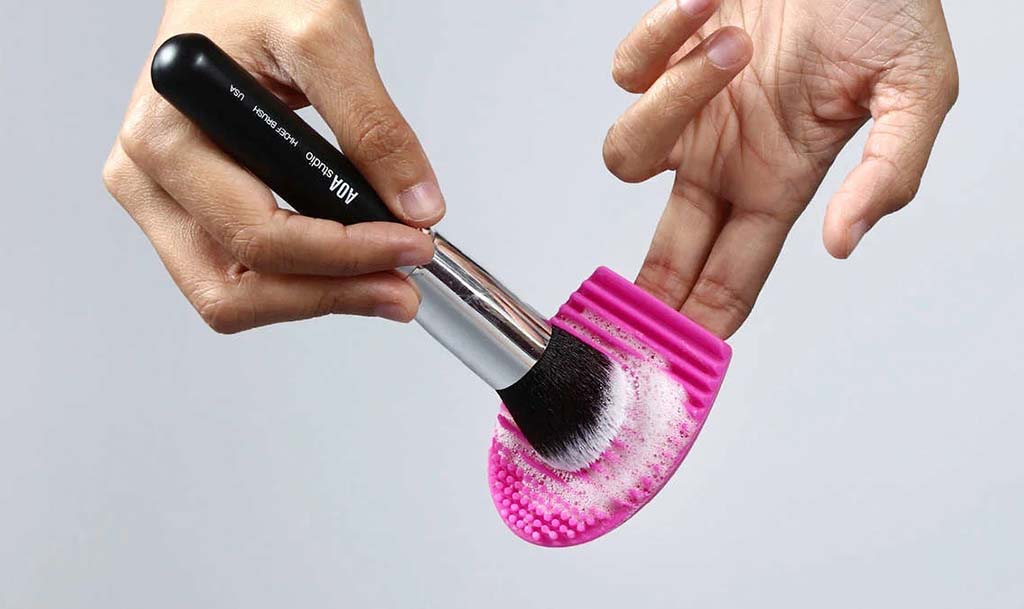
The sponge cleaning brush I use is incredibly convenient. Whenever I clean my sponges, I first dampen the makeup sponge with warm water, then gently rub it against the brush bristles in a circular motion; the residual stains from foundation, blush, or concealer slowly begin to dissolve. The bristles are soft yet dense, allowing them to penetrate deep into every nook and cranny of the sponge—thoroughly cleaning even those hard-to-reach pointed tips and crevices—without damaging the sponge material itself.
Compared to scrubbing by hand, using a sponge cleaning brush is much gentler, and I’ve noticed a significant improvement in the sponge’s bounce-back elasticity. After every wash, I can feel the sponge regaining its original soft, bouncy texture. This makes blending foundation smoother during application, resulting in a more natural finish that doesn’t look cakey or sit on top of the skin. This cleaning brush is particularly helpful when I need to apply makeup quickly or when using heavy-coverage foundations, as it saves me the hassle of manual scrubbing and ensures my tools remain in peak condition at all times.
3.The Miraculous Effects of Makeup Sponge Cleanser
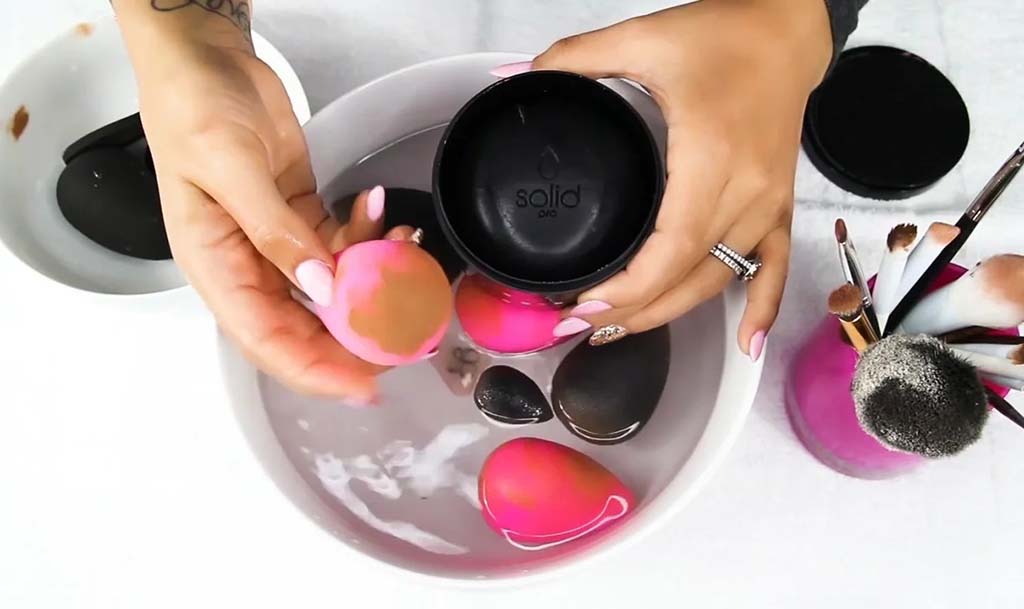
Makeup sponge cleanser is another “secret weapon” in my makeup tool cleaning arsenal. Whenever I clean my tools, I first thoroughly soak the makeup sponge, then squeeze out a small amount of cleanser and gently rub it between my hands. Surprisingly, any residual foundation, blush, concealer—or even stubborn waterproof makeup stains—dissolve rapidly with just a few gentle rubs.
This cleanser features a gentle formula that does not damage the sponge’s fibers, nor does it cause the sponge to harden or tear. Once cleaned, the sponge regains its softness and elasticity; its color looks as vibrant as new, and it feels just like it did the day I bought it. I particularly love using it to clean sponges stained with colorful foundations or waterproof products, as it effortlessly removes even the most stubborn makeup residue, ensuring a smoother, cleaner application the next time I do my makeup. Since incorporating this cleanser into my routine, I’ve noticed a significant improvement in both the ease of application and the natural finish of my makeup—I’ve truly experienced the difference that “clean tools = perfect makeup” makes.
4.Regular Cleaning: Extending the Lifespan of Your Tools
I make it a point to wash my makeup sponges and beauty blenders at least twice a week to ensure my tools remain consistently clean and hygienic. On busy days, I use the sponge cleanser for a quick rinse—it takes just a few minutes to remove the majority of makeup residue. When I have more time, I pair the cleanser with a sponge cleaning brush to thoroughly scrub every nook and cranny, restoring the sponge’s interior softness to a like-new state.
Once cleaned and air-dried, the sponge retains its soft, bouncy texture, performing almost exactly as it did when it was brand new. Maintaining this consistent cleaning routine not only ensures a smooth, natural makeup finish every time I apply my makeup, but also effectively minimizes the potential skin damage caused by bacterial buildup. This habit gives me particular peace of mind during the winter months or when my skin is feeling sensitive, and it has taught me a profound lesson: keeping your makeup tools clean is the fundamental cornerstone of both effective skincare and flawless makeup application.
5.Tips & Tricks: Extra Cleaning Techniques
Gently rub the sponge using warm water and a small amount of cleanser; avoid pulling or tugging forcefully to prevent the sponge from losing its shape.
After washing, gently squeeze out any excess water and allow the sponge to air-dry naturally; do not leave it to dry in direct sunlight.
Pay special attention to cleaning sponges used with colorful or waterproof makeup products, as these tend to leave behind stubborn residue; ensure a thorough clean after every use.
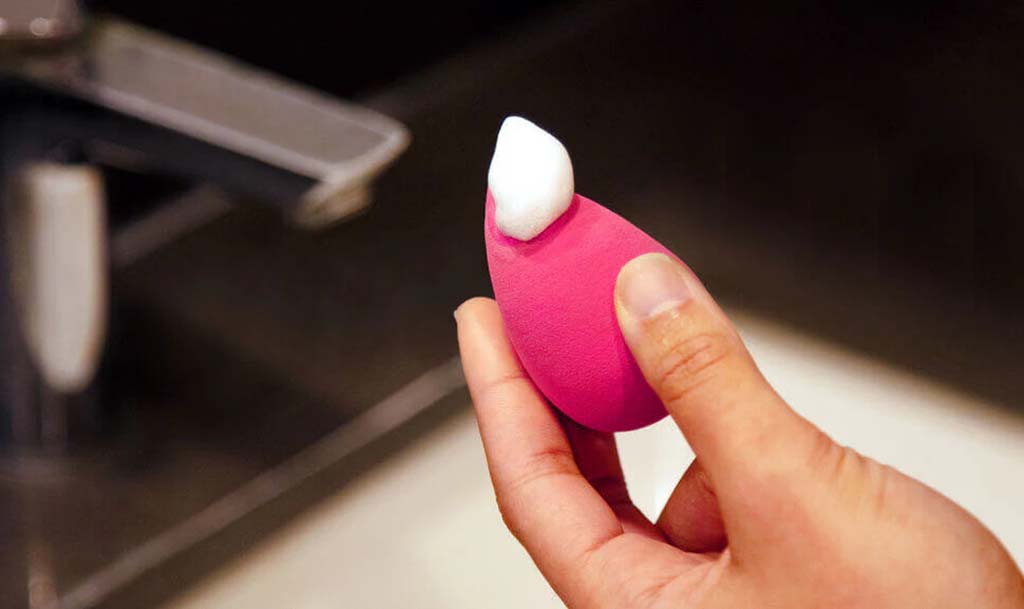
Clean Sponges, Flawless Makeup
These cleaning tools and solutions give me peace of mind every time I apply my makeup, making the entire beauty routine a pleasant and effortless experience. With a clean sponge, the finish looks natural, my skin stays healthier, and applying makeup is no longer a chore.





+ There are no comments
Add yours